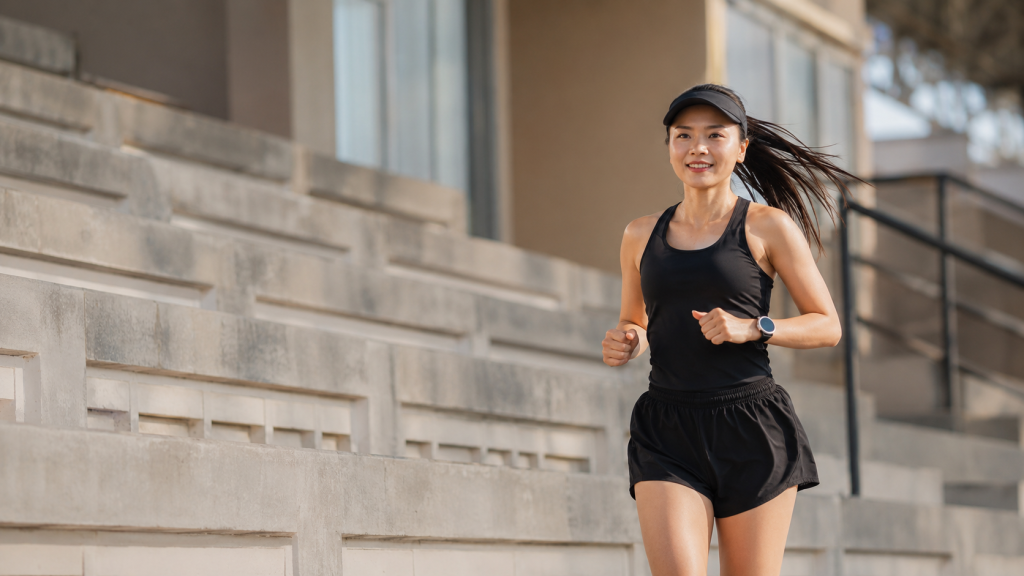
How to Choose a Running Singlet: A Practical Guide for Runners
A good running singlet should feel like it is barely there once you start running.
It needs to be lightweight enough for long runs, breathable enough to handle sweat, and comfortable enough to move with you. But with so many running tops available, choosing the right running singlet can be surprisingly difficult.
The good news is that you don’t need to overcomplicate it.
Whether you’re preparing for your first 10K, training for a half marathon, or simply looking for something more comfortable for your regular runs, this guide explains how to choose a running singlet and what features actually matter.
What Is a Running Singlet?
A running singlet is a lightweight athletic top designed specifically for running and other high-movement activities.
Unlike a traditional T-shirt, a running singlet typically has a sleeveless design, giving your shoulders and arms greater freedom of movement while reducing the amount of fabric around your upper body.
This makes running singlets particularly useful for:
- Outdoor running
- Long-distance training
- 5K and 10K races
- Half marathon training
- Marathon training
- Running in hot weather
- Gym and general workouts
For runners in warm and humid climates, a running singlet can also be a practical alternative to a conventional running T-shirt.
1. Choose a Lightweight Running Singlet
One of the first things to consider is weight.
You don’t want your running top to feel unnecessarily heavy, particularly when you’re running for an extended period.
Sweat can make clothing feel heavier during a workout, so starting with a lightweight garment can help keep your overall running outfit comfortable.
However, don’t assume that the lightest possible fabric is automatically the best.
A good running singlet still needs to provide:
- Comfortable coverage
- Sufficient durability
- Good freedom of movement
- Suitable breathability
- A comfortable feel against your skin
The goal is not simply to find the thinnest shirt.
The goal is to find the right balance between weight, comfort and performance.
2. Look for Breathable Fabric
Breathability is particularly important when choosing a running singlet for warm weather.
During exercise, your body produces heat and sweat. A breathable fabric can help air and moisture move through the garment instead of leaving you feeling trapped inside a warm layer.
This becomes even more important when running outdoors in hot and humid conditions.
When comparing running singlets, don’t look only at the material name. Consider how the fabric is constructed and how the garment is designed to allow airflow.
For everyday running, a lightweight and breathable polyester running singlet can be a practical choice.
3. Consider Moisture Management
Sweating is unavoidable when you run, especially in a warm climate.
What matters is how your clothing deals with that moisture.
Look for running apparel designed to move sweat away from your skin and dry relatively quickly. You’ll often see terms such as moisture-wicking, sweat-wicking, and quick-dry when shopping for running clothes.
These terms are related but aren’t exactly interchangeable.
- Moisture-wicking refers to the ability of fabric to move moisture away from the skin.
- Quick-dry refers to how quickly the fabric dries after becoming wet.
- Breathability refers to how easily air and moisture can pass through the material.
For hot-weather running, having a combination of these characteristics can make your run more comfortable.
4. Get the Right Fit
Fit is one of the most overlooked aspects of choosing a running singlet.
A running singlet shouldn’t restrict your movement, but it also shouldn’t be excessively loose.
A good fit should allow you to:
- Move your arms freely
- Swing your arms naturally while running
- Breathe comfortably
- Move your shoulders without restriction
- Run without excessive fabric bouncing around
Your preferred fit also depends on your personal preference.
Some runners prefer a closer athletic fit, while others prefer a more relaxed shape.
The important thing is that the singlet stays comfortable throughout your entire run, not just when you first put it on.
5. Pay Attention to the Armholes and Neckline
Because a running singlet exposes more of your shoulders and arms than a T-shirt, the design of the armholes matters.
Armholes that are too tight can restrict movement or become uncomfortable. Armholes that are excessively large may create unnecessary movement or expose more than you prefer.
The neckline matters too.
A comfortable neckline should sit naturally without feeling tight around your neck.
These details might seem minor when trying on a singlet for a few minutes, but they become much more noticeable during a long run.
6. Think About the Climate
Your running environment should influence what you wear.
If you regularly run in hot and humid weather, lightweight and breathable running clothes become more important.
In cooler conditions, you may need additional layers. In hot conditions, reducing unnecessary layers can help you stay more comfortable.
For runners in Malaysia and other tropical climates, a running singlet can be particularly useful because it provides coverage while keeping the upper body relatively light and open.
You should also consider when you normally run.
A singlet suitable for a hot afternoon run may also work well for an early morning session, but visibility becomes more important when running before sunrise or after sunset.
7. Consider Reflective Details
If you run early in the morning or at night, visibility should be part of your clothing decision.
A small reflective element can help make you more visible when light conditions are poor.
Reflective details don’t replace proper road awareness or other visibility equipment, but they can be a useful additional feature in running apparel.
If most of your runs take place during low-light hours, look for a running singlet with strategically placed reflective details.
8. Choose a Running Singlet That Matches Your Activity
You don’t necessarily need a different running top for every type of workout.
A versatile running singlet can work for:
Easy runs
Comfort and breathability are usually the main priorities.
Long runs
Lightweight construction and moisture management become increasingly important as the distance increases.
Speed workouts
Freedom of movement and a comfortable fit can help prevent clothing from becoming a distraction.
Race day
Weight, comfort, breathability and visibility may all matter, depending on the race conditions.
Gym workouts
A running singlet can also work well for many strength and general fitness sessions.
Choosing versatile running apparel can make your activewear collection simpler and more practical.
9. Don’t Buy Based on Features Alone
Running apparel is full of technical-sounding terms.
You may see descriptions mentioning:
- Performance fabric
- Advanced moisture management
- Ultra-lightweight construction
- Breathable technology
- Cooling technology
- Anti-odour treatment
Some features can be useful. But more features don’t automatically mean a better running singlet.
Instead, ask a simpler question:
Will this make my run more comfortable?
If the answer is yes, the feature may be worth considering.
If it sounds impressive but doesn’t provide a meaningful benefit for the way you run, you probably don’t need it.
10. Consider How You Actually Run
The best running singlet is the one that suits your running habits.
Before buying, think about:
Where do you run?
Road, track, treadmill, trail and gym environments have different requirements.
When do you run?
Morning and night runners may benefit from reflective details.
How far do you normally run?
The longer you run, the more noticeable fabric weight, sweat management and fit become.
How much do you sweat?
If you sweat heavily, moisture management and quick drying should be higher priorities.
What weather do you run in?
Hot and humid conditions generally call for lightweight, breathable clothing.
You don’t need to buy the most expensive running singlet available. You need one that matches how and where you actually run.
17Celsius Core Run Singlet
For runners looking for a simple option for everyday training and race day, the 17Celsius Core Run Singlet is designed around the fundamentals that matter.
It uses breathable polyester fabric in a lightweight design, with a reflective strap at the back for added visibility in low-light conditions.
The design focuses on the essentials rather than adding unnecessary complexity.
It’s suitable for:
- Easy runs
- Long runs
- 5K and 10K training
- Half marathon training
- Race day
- General workouts
Less to carry. Less to think about. More freedom to move.
[Explore the 17Celsius Core Run Singlet]
Running Singlet Checklist
Before buying a running singlet, use this quick checklist:
☐ Lightweight construction
☐ Breathable fabric
☐ Good moisture management
☐ Comfortable fit
☐ Freedom of movement
☐ Comfortable armholes and neckline
☐ Suitable for your climate
☐ Reflective details if you run in low light
☐ Suitable for your typical running distance
☐ Easy to care for
You don’t need every possible feature.
Focus on the features that will actually improve your running experience.
Final Thoughts
Choosing a running singlet doesn’t have to be complicated.
Start with the basics: weight, breathability, moisture management, fit and comfort. Then consider your climate, running distance, environment and whether you need additional features such as reflective details.
For runners in hot and humid weather, keeping your running outfit lightweight and breathable is especially important.
Ultimately, the right running singlet is one that lets you focus on your run rather than your clothing.
Comfort in Motion.